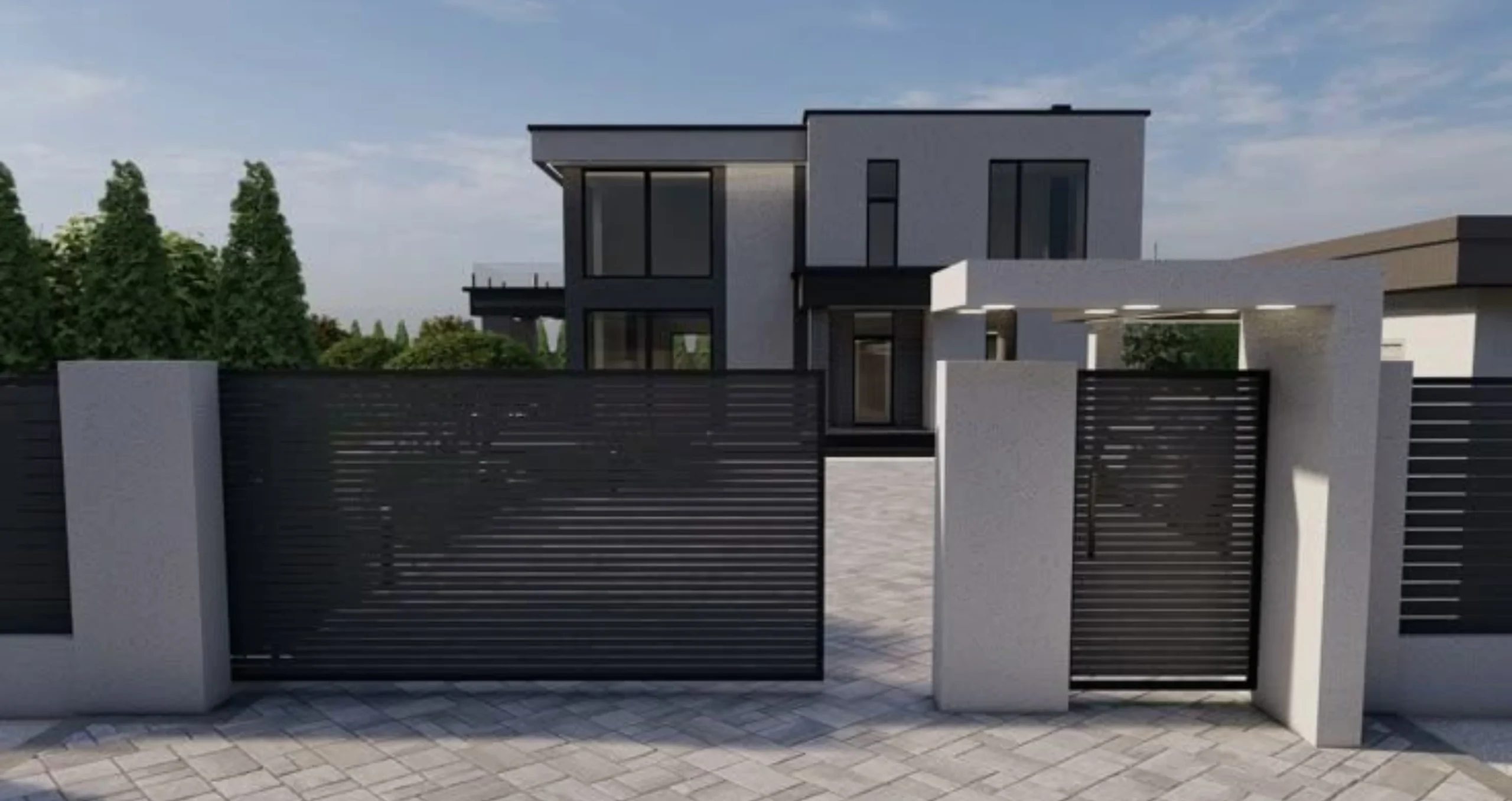
How to Choose the Right Modern Gate Design for Your Home or Commercial Property
A gate is no longer just a functional barrier that opens and closes. In today’s world, it’s the handshake your property offers to the outside world. Whether it’s a cozy family home or a bustling commercial space, the gate is often the very first thing people notice. And first impressions? They stick. Modern gate design has stepped into the spotlight because people now want more than security-they want style, identity, and smart functionality wrapped into one sleek structure.
Think about it. When you drive up to a property with a clean-lined, thoughtfully designed modern gate, you immediately sense order, sophistication, and care. On the flip side, an outdated or mismatched gate can make even a stunning building feel neglected. That’s why choosing the right modern gate design is not just an architectural decision; it’s a strategic one.
In this guide, we’ll break everything down materials, styles, automation, budgets, and mistakes to avoid so you can confidently choose a modern gate design that doesn’t just look good today but continues to serve you well for years. Ready to open the door to smarter design? Let’s dive in.
Understanding Modern Gate Design
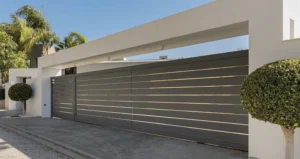
Modern gate design is all about intention. Every line, material, and movement serves a purpose. Unlike traditional gates that often rely on ornate patterns and heavy detailing, modern gates embrace simplicity, geometry, and functionality. It’s a “less is more” philosophy-but don’t confuse minimalism with boring. When done right, modern gates are visually striking without shouting for attention.
At its core, a modern gate focuses on clean lines, balanced proportions, and innovative materials. Horizontal slats, flat panels, laser-cut patterns, and seamless finishes are common features. These designs complement modern homes, commercial buildings, and even renovated properties looking for a contemporary upgrade.
Another defining aspect is integration. Modern gates are designed to work effortlessly with automation systems, access controls, cameras, and smart devices. The design isn’t just about how the gate looks when closed but how it moves, sounds, and responds to users. Smooth operation and quiet motors are just as important as visual appeal.
Modern doesn’t mean cold or impersonal, though. With the right material choices-like warm wood accents or textured metal finishes-modern gates can feel inviting and stylish. The key is balance. A well-designed modern gate feels like a natural extension of the building, not an afterthought bolted onto the entrance.
Types of Modern Gates
Choosing the right modern gate design starts with understanding the different types available. Each type has its own strengths, and the best choice depends on space, usage, and aesthetic goals.
Sliding Gates
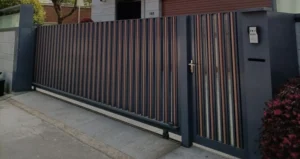
Sliding gates are a favorite in modern design, especially for properties with limited driveway depth. Instead of swinging open, they glide horizontally along a track or cantilever system. This makes them ideal for urban homes and commercial spaces where every inch counts.
Visually, sliding gates offer a long, uninterrupted canvas-perfect for horizontal slats, laser-cut panels, or mixed materials. Functionally, they’re great for automation and heavy usage, which is why many commercial properties prefer them.
Swing Gates
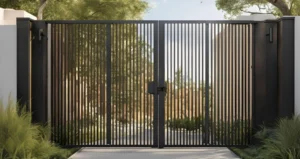
Swing gates are classic, but modern versions give them a fresh twist. Clean panels, minimalist frames, and smart automation transform a traditional concept into a contemporary statement. They work best where there’s ample space for the gate to open inward or outward.
For residential properties, swing gates often feel more welcoming and elegant. Double-leaf swing gates, in particular, can add symmetry and balance to wider entrances.
Bi-Fold and Telescopic Gates
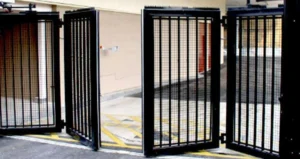
These are the problem-solvers of modern gate design. Bi-fold gates fold in sections, while telescopic gates slide in overlapping panels. They’re perfect for tight spaces where standard sliding or swing gates won’t work.
From a design perspective, they’re sleek, efficient, and incredibly modern. They also open and close faster, which is a big plus for commercial properties with frequent traffic.
Cantilever Gates
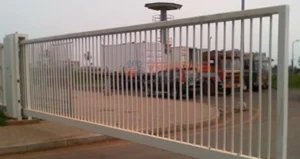
Cantilever gates are a type of sliding gate that doesn’t require a ground track. Instead, they’re supported from the side, giving them a “floating” appearance. This makes them ideal for uneven surfaces or areas prone to debris.
They’re durable, low-maintenance, and visually impressive-an excellent choice for both upscale homes and industrial properties.
Materials Used in Modern Gate Design
Material choice is where function meets personality. The material you choose affects not just how your gate looks, but how it performs over time.
Steel and Wrought Iron
Steel is the backbone of many modern gates. It’s strong, secure, and versatile. Modern steel gates often feature powder-coated finishes in matte black, gray, or custom colors. Wrought iron, when simplified, can also fit modern aesthetics while offering unmatched durability.
These materials are ideal for commercial properties or homes prioritizing security. With proper treatment, they resist weather and wear exceptionally well.
Aluminum
Aluminum is lightweight, rust-resistant, and perfect for sleek modern designs. It’s especially popular for automated gates because it puts less strain on motors. Aluminum gates can mimic the look of wood or steel while being easier to maintain.
For coastal or humid environments, aluminum is often the smartest choice.
Wood and Wood-Composite Gates
Wood brings warmth and natural beauty to modern gate design. Horizontal wooden slats paired with metal frames are a signature modern look. However, natural wood requires regular maintenance.
Wood-composite materials offer a similar appearance with better durability, making them a popular alternative for busy homeowners.
Glass and Mixed Materials
For ultra-modern or commercial spaces, glass panels combined with metal frames create a bold, contemporary statement. Frosted or tinted glass offers privacy while maintaining a clean aesthetic.
Mixed-material gates-metal with wood, glass, or composite panels-are increasingly popular because they balance strength, style, and individuality.
Choosing the Right Gate Based on Property Type
A modern gate design should reflect how the property is used, not just how it looks in photos.
For Residential Properties
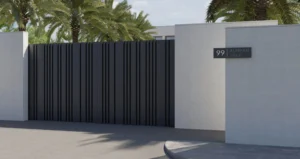
Homes need a balance of privacy, security, and curb appeal. A modern residential gate should feel welcoming while protecting what matters most. Sliding or swing gates with warm materials, smart automation, and privacy-focused designs work best.
Noise levels, safety sensors, and ease of use are especially important for families.
For Commercial Properties
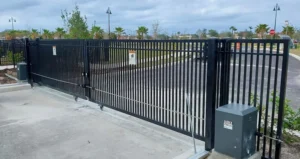
Commercial gates prioritize durability, access control, and traffic flow. They often need to handle frequent opening and closing without failure. Sliding or cantilever gates with robust automation systems are common choices.
Design still matters, though. A sleek, professional gate enhances brand image and creates trust before a client even steps inside.
Balancing Aesthetics and Security
One of the biggest myths about modern gate design is that style comes at the cost of security. In reality, modern design often enhances security by being smarter, not bulkier.
Solid panels, minimal gaps, and height optimization reduce visibility and climbing opportunities. Integrated access systems-keypads, RFID, biometric scanners-control who gets in without needing heavy locks or guards.
For residential properties, partial visibility designs allow homeowners to see outside without exposing the interior. For commercial spaces, reinforced frames and anti-tailgating features keep operations secure without looking intimidating.
A good modern gate feels effortless to use but difficult to defeat. That’s the sweet spot.
Size, Scale, and Proportion
Even the most beautiful modern gate design can fail if the proportions are off. Size matters-a lot. A gate that’s too small for a wide entrance looks awkward, while an oversized gate can overwhelm a modest property.
Accurate measurements are essential. Consider not just the opening width, but also height, wall alignment, and surrounding architecture. The gate should visually “belong” to the space.
Modern design thrives on balance. Clean lines and symmetry depend on correct scaling. Working with professionals at this stage prevents costly mistakes and ensures the final result feels intentional and refined.
Automation and Smart Gate Technology
Modern gates and automation go hand in hand. Once you experience the convenience of an automated gate, there’s no going back. But choosing the right technology is just as important as choosing the right design.
Automatic gates can be operated via remote controls, keypads, mobile apps, or even voice commands when integrated with smart home systems. For commercial properties, access cards, license plate recognition, and scheduled access controls are common.
Safety is a major factor. Sensors, auto-reverse functions, and emergency release systems are essential, especially for homes with children or pets. A well-automated gate should feel smooth, quiet, and reliable-never jerky or unpredictable.
Future-proofing is also key. Choose systems that allow upgrades, so your gate stays modern as technology evolves.
Climate and Environmental Considerations
Your local climate plays a huge role in determining the best modern gate design. A gate that looks perfect in one environment may struggle in another.
In coastal areas, salt air can corrode untreated metal quickly. Aluminum or stainless steel with protective coatings works best here. In humid or rainy regions, proper drainage and rust-resistant finishes are essential.
For areas with extreme heat or cold, materials should be resistant to warping, cracking, or expansion. Wood may need extra treatment, while metal gates should allow for thermal movement.
Choosing the right materials and finishes based on climate ensures your gate looks great and functions smoothly year after year.
Modern Gate Design Trends
Modern gate design is constantly evolving, influenced by architecture, technology, and lifestyle changes.
Laser-cut metal panels are a major trend, offering intricate designs without visual clutter. Horizontal slats remain popular for their clean, contemporary look. Matte finishes-especially black, charcoal, and earthy tones-dominate modern aesthetics.
Sustainability is also shaping trends. Eco-friendly materials, energy-efficient automation, and long-lasting designs appeal to environmentally conscious homeowners and businesses.
The key is choosing a trend that aligns with your property’s overall style, not just what’s popular today.
Custom vs Ready-Made Modern Gates
Custom gates offer complete freedom. You can tailor every detail-size, material, pattern, and automation-to your exact needs. This is ideal for unique properties or specific functional requirements.
Ready-made gates are faster and often more affordable. They work well for standard-sized entrances and simpler needs. However, they may lack the perfect fit or distinctive character of a custom design.
The right choice depends on budget, timeline, and how important uniqueness is to you.
Budget Planning for Modern Gate Design
A modern gate is an investment, not an expense. While upfront costs may be higher than traditional gates, the long-term value is significant.
Budget considerations include materials, automation, installation, and maintenance. Cutting corners often leads to higher costs later due to repairs or replacements.
A well-planned budget focuses on durability, functionality, and timeless design rather than short-term savings.
Maintenance and Longevity
Modern gates are designed to be low-maintenance, but that doesn’t mean maintenance-free. Regular cleaning, lubrication, and system checks keep everything running smoothly.
Different materials have different needs. Aluminum requires minimal care, while wood needs periodic treatment. Automated systems should be serviced annually to ensure safety and reliability.
Proper maintenance extends lifespan and preserves the gate’s modern appearance.
Legal, Safety, and Compliance Factors
Before installation, it’s important to check local regulations. Some areas require permits for automated gates, especially for commercial properties.
Safety standards may mandate sensors, warning signs, and manual release mechanisms. Accessibility considerations, such as emergency access, are also crucial.
Compliance isn’t just about avoiding fines-it’s about ensuring your gate is safe and responsible.
Working with Designers and Gate Manufacturers
Choosing the right professionals makes the entire process smoother. Look for experience, transparent communication, and a strong portfolio.
Ask questions about materials, warranties, maintenance, and after-sales support. A good manufacturer doesn’t just sell a gate-they offer solutions.
Collaboration leads to better results, especially for custom modern gate designs.
If you are planning a custom modern gate and want professional input, you can connect directly with GateLookCraft at gatelookcraft@gmail.com or call +91 93100 71099 for personalized assistance. Having direct access to experts who understand both design and engineering makes decision-making far easier.
Common Mistakes to Avoid When Choosing a Modern Gate
One common mistake is prioritizing looks over function. Another is ignoring future needs, like increased traffic or automation upgrades.
Over-designing can make a gate feel busy, while under-designing can make it forgettable. Balance is key.
Taking the time to plan avoids regrets later.
Future-Proofing Your Gate Design
A truly modern gate is adaptable. Design with future technology, property changes, and evolving needs in mind.
Choose durable materials, scalable automation systems, and timeless aesthetics. This not only saves money long-term but also increases property value.
A future-proof gate grows with you.
Conclusion:
Choosing the right modern gate design is about more than trends-it’s about understanding your space, needs, and long-term goals. When design, material, technology, and functionality come together, the result is a gate that feels effortless, secure, and stylish.
Whether for a home or commercial property, the right modern gate sets the tone, protects what matters, and adds lasting value. Take your time, plan wisely, and choose with confidence.
FAQs
- What is the best modern gate design for small spaces?
Sliding, bi-fold, or telescopic gates work best for limited spaces. - Are modern gates secure enough for commercial use?
Yes, modern gates often offer advanced security through smart access systems and reinforced designs. - How long does a modern gate last?
With proper materials and maintenance, modern gates can last 15–25 years or more. - Is automation worth the cost?
Absolutely. Automation adds convenience, security, and long-term value. - Can modern gates be customized to match existing architecture?
Yes, custom modern gates are designed to blend seamlessly with any architectural style.